
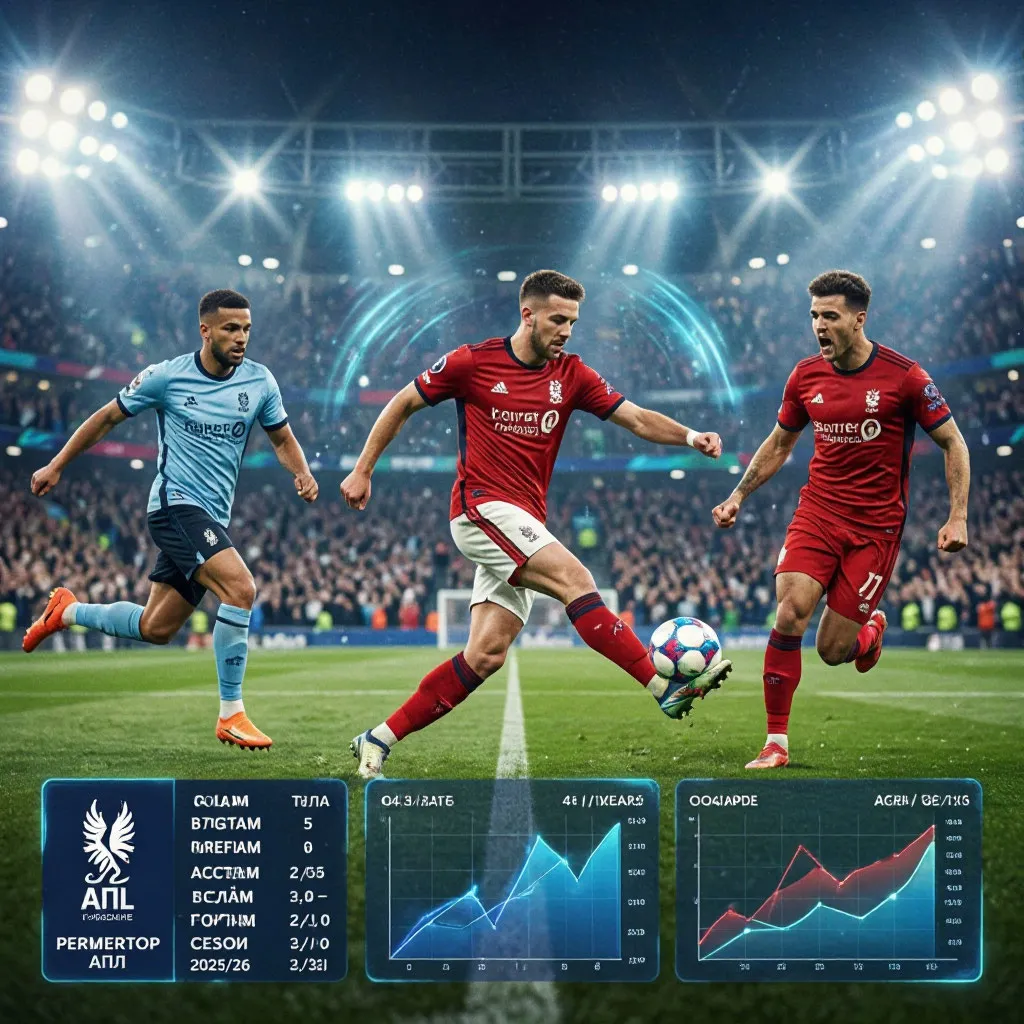
In football, the assist has long been treated as the ultimate measure of a playmaker’s vision and execution. However, this metric is fundamentally flawed because it is entirely dependent on the player receiving the ball; a perfect, defense-splitting pass counts for nothing if the striker ballooned the shot into the stands. To find the true creative engines of the top flight, we must look beyond the traditional leaderboard and analyze modern performance data. By evaluating the underlying quality of chances created and the sequence of play preceding a shot, we can uncover the silent architects who dictate their team’s offensive output.
Beyond raw numbers: the rise of advanced playmaking metrics
The modern scouting and analytical landscape relies heavily on metrics that isolate a passer’s performance from the finishing ability of their teammates. Among these tools, two stand out as the gold standard for measuring offensive influence: expected assists Premier League stats, which often contrast with classic EPL assist leaders stats, and goal creating actions football data. While expected assists calculates the probability that a given pass will become an assist based on the shot’s location and type, goal creating actions track the two offensive events—such as passes, take-ons, or fouls won—that lead directly to a goal.
Analyzing these values over the course of a grueling campaign allows us to identify which players are consistently putting their teammates in prime scoring positions. This approach highlights those who may be suffering from their strikers’ poor form as well as those who benefit from extraordinary finishing.
| Player | Club | Actual Assists | Expected Assists (xA) | Goal Creating Actions (GCA) |
|---|---|---|---|---|
| Mohamed Salah | Liverpool | 12 | 9.4 | 19 |
| Bukayo Saka | Arsenal | 11 | 11.2 | 22 |
| Kevin De Bruyne | Manchester City | 8 | 10.5 | 17 |
| Cole Palmer | Chelsea | 9 | 7.8 | 15 |
| Bruno Fernandes | Manchester United | 5 | 9.1 | 14 |
| Son Heung-min | Tottenham | 7 | 6.2 | 12 |
| Morgan Gibbs-White | Nottingham Forest | 4 | 7.3 | 11 |
This statistical breakdown shows that some of the most creative minds in the division do not always occupy the top spots on the standard assisting charts. For instance, Bruno Fernandes and Morgan Gibbs-White exhibit a significant negative variance, indicating that their teammates have squandered numerous high-quality opportunities created by these playmakers. Conversely, players like Mohamed Salah benefit from highly clinical finishing, meaning their actual assist tallies outpace their expected metrics due to world-class shot conversion.
Analyzing the premier playmaker of the season contenders
As the campaign progresses into its decisive phase, the race for individual honors intensifies, drawing heavy focus toward the league’s primary creators. The main EPL playmaker of the season contenders are not just those with high raw numbers, but those who consistently drive their team’s attacking transitions. Understanding the context behind these metrics helps us appreciate the different creative styles present in the league today.
A closer look at the analytical profiles of these elite chance creators reveals distinct tactical roles that influence how they accumulate their underlying numbers. These players can be classified into several unique categories of playmaking styles:
- The high-volume crossers: players like Kieran Trippier who generate high expected assists through precise set-piece delivery and frequent crossing from wide areas.
- The half-space orchestrators: creative hubs like Kevin De Bruyne who specialize in curling low crosses into the corridor of uncertainty between the goalkeeper and the defensive line.
- The dribble-first creators: dynamic wingers like Bukayo Saka who use progressive carries to penetrate the box before laying off short, high-value passes.
- The transition exploiters: playmakers like Bruno Fernandes who thrive in chaotic, fast-break situations by playing immediate, vertical through-balls.
Each of these profiles offers a different tactical solution to breaking down stubborn defensive blocks. Coaches must tailor their offensive structures to leverage these specific creative strengths, ensuring that the team’s strikers make runs that complement their primary playmaker’s passing habits.
The tactical value of goal creating actions
While expected assists measure the final pass before a shot, goal creating actions football metrics look further back in the attacking sequence to reward players who initiate the move. A player who executes a brilliant nutmeg to beat a defender, or draws a crucial foul in the final third, contributes massively to the eventual goal, even if they do not receive the official assist. This broader view is essential for evaluating deep-lying playmakers and industrious midfielders.
By tracking the diverse actions that directly precede a goal, analysts can build a comprehensive map of how a team constructs its offensive threats. The metric breaks down playmaking into several key developmental phases:
- Live-ball passes: the most common action, involving clever short passes or long-range switches that put an attacker in a shooting position.
- Dead-ball deliveries: taking free kicks or corner kicks that lead directly to a shot on target or a goal.
- Successful dribbles: executing a take-on or carrying the ball through defensive lines to open up passing lanes.
- Drawing defensive fouls: shielding the ball in dangerous areas to win set-pieces that are subsequently converted.
- Rebounds and deflections: taking an initial shot that is saved or blocked, creating a secondary opportunity for a teammate.
This multi-faceted analysis ensures that players who do not fit the traditional mold of a number ten are still recognized for their offensive contributions. It explains why deep-lying controllers and hard-working wingers are highly valued by modern tacticians, even when their traditional box scores appear modest.
Navigating the future of football analytics
The integration of metrics like expected assists Premier League into the mainstream football dialogue has forever changed how we evaluate individual player performances. By focusing on the quality of the process rather than just the final outcome, we gain a much deeper appreciation for the complex tactical systems designed by elite managers. As data collection becomes even more precise, we will continue to find new ways to measure the subtle, off-the-ball movements and pre-assist passes that define world-class playmaking. For fans and analysts alike, these tools offer an illuminated view of the pitch, turning raw data into a narrative of creative excellence.